

Why Roasted-to-Order Coffee Tastes Better
Table of Contents
- What Makes Roasted-to-Order Coffee Different
- The Coffee Degassing Process and Flavor Development
- Why Freshness Matters: Oxidation and Volatile Oils
- The Best Time to Drink Coffee After Roasting
- How to Identify Signs of Stale Coffee Beans
- Roasted-to-Order vs. Shelf-Stable: A Practical Comparison
- Maximizing Flavor: From Roast Date to Your Cup
- Conclusion
Last Updated: August 12, 2026
What Makes Roasted-to-Order Coffee Different
Roasted-to-order coffee is fundamentally different from shelf-stable beans because it's roasted specifically for you, right before shipping. The moment those beans leave the roaster, a clock starts ticking on their peak flavor window. Most coffee you buy at retail has already lost a significant portion of its volatile oils and aromatic compounds by the time it reaches your cup.
The distinction matters because coffee isn't static. Once roasted, beans begin a complex chemical transformation. Oxygen exposure triggers oxidation. Carbon dioxide built up inside the bean structure starts escaping through the cell walls. Flavor compounds that were vibrant and complex on day one become muted and stale by week three. When you order roasted-to-order coffee from The Holy Grounds Coffee Co, you're eliminating the lag time that degrades everything else.
This is why coffee enthusiasts notice the difference immediately. A freshly roasted bean tastes cleaner, brighter, and more nuanced. The acidity feels crisp rather than harsh. The body feels fuller. The aftertaste lingers pleasantly instead of leaving a flat, bitter residue. You're not imagining it. You're experiencing coffee at its actual peak.
The Coffee Degassing Process and Flavor Development
The coffee degassing process is where the real story begins. Immediately after roasting, beans are packed with carbon dioxide. This CO2 was created during the roasting process when heat caused rapid chemical reactions inside the bean. The gas needs to escape, and it does so gradually over days and weeks.
This degassing phase is critical to flavor development. In the first 12-24 hours after roasting, CO2 release is most aggressive. The bean is still hot, still unstable. Brewing coffee this fresh can actually produce an uneven extraction because the gas interferes with water absorption. But by day three or four, degassing has slowed considerably, and the bean has stabilized into a more predictable state.
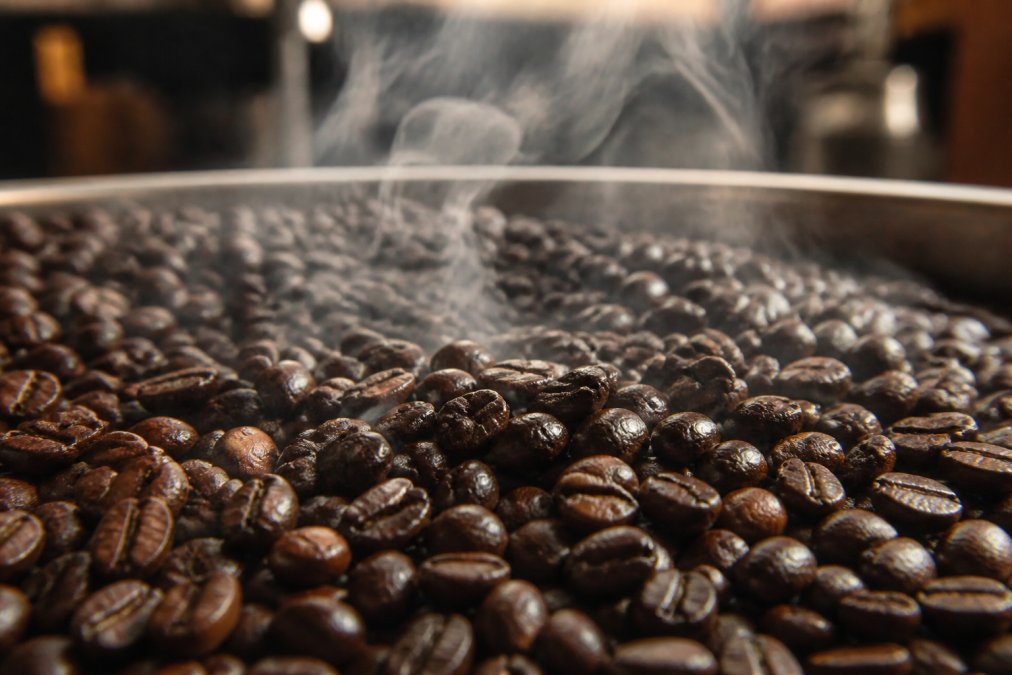
The volatile oils that create aroma and initial flavor impression are most concentrated right after roasting. These are aromatic compounds with low boiling points. They evaporate. Over time, especially with oxygen exposure, these oils oxidize and break down into less flavorful compounds. This is why a two-week-old bean smells noticeably duller than a three-day-old one.
When you drink roasted-to-order coffee, you're capturing this window. The bean has degassed enough to brew evenly, but the volatile oils are still present. The flavor profile is complex and clear. Tasting notes that would be invisible in older beans shine through. This is the practical reason why freshness matters for flavor clarity.
:::pro-tip The sweet spot for brewing most roasted-to-order coffee is days 3-14 after roasting. Before day three, degassing can still interfere with extraction. After day 14, oxidation begins noticeably reducing the brightness and complexity. This narrow window is exactly why roast date matters more than anything else on the label. :::
Why Freshness Matters: Oxidation and Volatile Oils
Oxidation is the silent killer of coffee flavor. The moment a bean is roasted and exposed to oxygen, a slow chemical degradation begins. This isn't the dramatic browning you see in a cut apple. It's molecular-level deterioration of the compounds that make coffee taste good.
Volatile oils are the primary casualty. These are the compounds responsible for the aromatic experience of coffee. They're called "volatile" because they evaporate easily, especially when exposed to air, light, and heat. A sealed bag helps, but it doesn't stop the process entirely. Oxygen molecules still find their way in through the bean's porous cell structure. Over weeks, these oils break down into oxidized compounds that taste flat, bitter, or rancid.
The bean's porosity is the structural reason why freshness matters so much. During roasting, heat causes the bean to expand and develop tiny air pockets. This porosity is actually good for extraction when you brew fresh coffee. But it also means oxygen has easy access to the interior of the bean, not just the surface. A month-old bean has had oxygen penetrating deep into its structure, degrading flavor compounds throughout.
This is why roasted-to-order coffee from The Holy Grounds Coffee Co arrives at your door before significant oxidation has occurred. You're not just getting fresher beans. You're getting beans that still have their full complement of volatile oils and haven't undergone extensive oxidative breakdown.
The Best Time to Drink Coffee After Roasting
The ideal window for drinking roasted-to-order coffee is between three and fourteen days after the roast date. This range balances two competing factors: degassing stability and oxidative freshness.
In the first 48 hours after roasting, the bean is still releasing significant amounts of carbon dioxide. This gas interferes with water absorption during brewing. Your extraction becomes uneven. Some grounds over-extract, others under-extract. The result tastes muddy or inconsistent. This is why many specialty coffee shops won't sell beans until day three.
By day three, degassing has slowed dramatically. The bean is stable enough to brew predictably. The volatile oils are still abundant. The flavor profile is bright and nuanced. This is the opening of the optimal window.
The window stays open through approximately day fourteen. After that, oxidation becomes the limiting factor. The beans are still good. They'll still make decent coffee. But the brightness starts fading. Subtle flavor notes become harder to detect. The coffee tastes more one-dimensional.
The Resting Paradox: Why Immediate Brewing Isn't Always Best
Here's where most guides get it wrong: they tell you that fresher is always better, so brew immediately after roasting. The reality is more nuanced. Fresh-roasted beans brewed too soon actually taste worse than beans given a few days to rest.
This is the resting paradox. A freshly roasted bean, still actively degassing, will produce an uneven cup. The CO2 bubbles interfere with water flow through the grounds. Extraction becomes chaotic. You get some over-extracted bitterness mixed with some under-extracted sourness. It's not pleasant.
But a bean that's rested for three to five days? That bean has degassed enough to be stable, yet the volatile oils are still prominent. This combination produces the cleanest, most balanced cup. The extraction is even. The flavor is clear. The complexity comes through.
The resting period isn't about developing flavor. It's about stabilizing the bean so that brewing can work properly. Once the bean is stable, oxidation is the only thing working against you. That's why the window closes around day fourteen. You've given the bean enough time to rest and stabilize, but oxidation hasn't yet degraded the flavor compounds significantly.
How to Identify Signs of Stale Coffee Beans
Stale coffee beans show clear warning signs if you know what to look for. The most obvious is the roast date. If there's no roast date on the bag, that's already a red flag. If the roast date is more than four weeks in the past, the beans have entered the declining phase of their flavor window.
Visual inspection reveals a lot. Fresh beans have a glossy, slightly oily appearance. The surface looks vibrant and dark, almost wet-looking. Stale beans look dull and matte. The color becomes flat. This is the volatile oils evaporating and oxidative breakdown making the surface less reflective.
Aroma is the most reliable sensory test. Open a bag of fresh roasted-to-order coffee and you get hit with a strong, complex smell. Different origins smell different. A single-origin bean from one region has a distinct aromatic profile. Stale beans smell muted. The aroma is noticeably weaker. If you have to stick your nose into the bag to smell anything, the beans are past their prime.
Taste is the final confirmation. Fresh beans produce a clean, bright cup with clear flavor notes. The acidity is crisp. Stale beans taste flat. The acidity becomes harsh or disappears entirely. The flavor is one-dimensional. The aftertaste is bitter or unpleasant.
Roasted-to-Order vs. Shelf-Stable: A Practical Comparison
The practical difference between roasted-to-order and shelf-stable coffee comes down to timing and oxidation. Here's what actually happens with each approach:
| Aspect | Roasted-to-Order | Shelf-Stable |
|---|---|---|
| Roast-to-delivery time | 2-5 days | 14-45+ days |
| Volatile oil retention | 85-95% | 40-60% |
| Oxidative breakdown | Minimal | Significant |
| Flavor clarity | Bright, nuanced | Flat, one-dimensional |
| Aroma intensity | Strong | Weak |
| Price point | Higher | Lower |
| Convenience | Requires planning | Immediately available |
Roasted-to-order coffee arrives at your door while the beans are still in their optimal flavor window. The roaster roasts your specific order, packages it immediately, and ships it out. You receive beans that are three to seven days old. The volatile oils are still abundant. Oxidation has barely begun.
Shelf-stable coffee is roasted weeks before you buy it. It sits in a warehouse. It sits on a retail shelf. It sits in your pantry. By the time you brew it, the beans are often 30-45 days old. The volatile oils have largely evaporated or oxidized. The flavor compounds have broken down. You're drinking the ghost of what that coffee could have been.
The trade-off is convenience and price. Roasted-to-order coffee requires you to plan ahead. You order based on your consumption rate. You can't grab a bag impulsively at the store. And it costs more because freshness requires faster logistics and smaller batch sizes.
But if you care about taste, the difference is worth it. Roasted-to-order coffee from The Holy Grounds Coffee Co tastes measurably better because it's fresher. The flavor clarity is noticeably superior. The aroma is stronger. The complexity comes through.
Maximizing Flavor: From Roast Date to Your Cup
Getting the best flavor from roasted-to-order coffee requires attention to the journey from roast date to brewing. The roast date is your starting point. Everything after that either preserves or degrades the flavor.
Storage is the first critical step. Once your roasted-to-order beans arrive, keep them in an airtight container away from light, heat, and moisture. Whole beans stay fresher longer than pre-ground coffee because grinding dramatically increases surface area exposed to oxygen. If you must grind in advance, use the beans within a few hours.
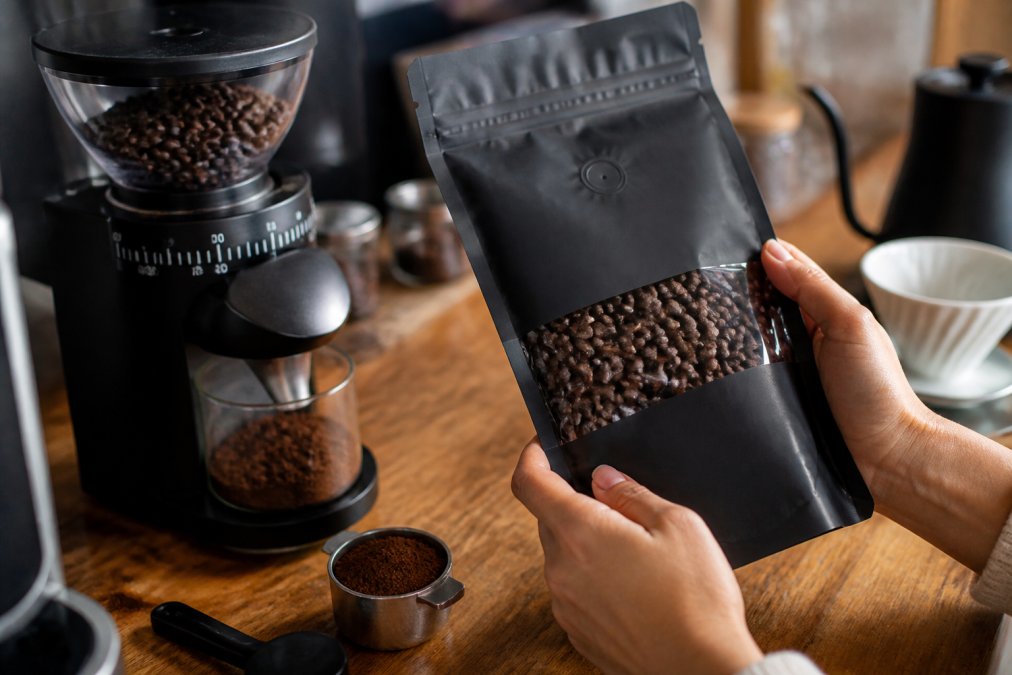
Grinding right before brewing is non-negotiable. The moment you grind beans, you expose the interior to oxygen. Volatile oils begin evaporating immediately. A burr grinder like The Holy Grounds Coffee Co's Burr Coffee Grinder, KF8024 ($39.99) or the Stainless Steel Electric Coffee Grinder ($49.95) produces a consistent particle size, which improves extraction consistency. The Blade Coffee Grinder, KF2150 ($19.99) works for casual brewing but produces uneven particle sizes.

Water temperature matters more than most people realize. Coffee extraction happens best between 195-205°F. Too hot, and you over-extract, pulling out bitter compounds. Too cold, and you under-extract, leaving the cup sour and thin. Use a thermometer or an electric kettle with temperature control.
Brew method affects how much of the coffee's complexity you actually taste. Pour-over and French press brewing methods extract different flavor profiles from the same beans. Espresso machines extract under pressure, which brings out different compounds than immersion brewing. Experiment with your preferred method to find what highlights the flavors you enjoy most.
The water you use matters too. Mineral content affects extraction. Distilled water won't extract properly. Tap water with too many minerals can over-extract. Filtered water is usually the sweet spot.
All of these variables are why roasted-to-order coffee tastes better when you're intentional about the brewing process. You're starting with fresher beans, which means more flavor compounds are available to extract. If you then brew carefully, you capture more of those compounds in your cup.
Conclusion
Roasted-to-order coffee tastes better because freshness is the foundation of flavor. The moment beans are roasted, oxidation and degassing begin degrading the compounds that make specialty coffee worth buying. By the time shelf-stable coffee reaches your cup, weeks of degradation have already occurred.
The Holy Grounds Coffee Co delivers roasted-to-order beans to your door within days of roasting, capturing that optimal flavor window when volatile oils are abundant and oxidation is minimal. Pair that freshness with intentional brewing, using a quality grinder like the Burr Coffee Grinder, KF8024, grinding immediately before brewing, and controlling water temperature, and you'll experience the full complexity that specialty coffee offers. Find Your Perfect Roast and discover how freshness transforms your daily ritual.

Frequently Asked Questions
Does coffee taste better immediately after roasting?
Not always. While roasted-to-order coffee is fresher than shelf-stable options, beans benefit from 12-24 hours of resting after roasting. During this resting period, carbon dioxide continues to escape through the degassing process, and aromatic compounds stabilize. Most specialty roasters recommend brewing 2-7 days after roast date for peak flavor clarity. Brewing too soon can result in excessive bloom and uneven extraction, while waiting longer than 2-3 weeks allows oxidation to degrade volatile oils and reduce the sensory experience.
What is the difference between roasted-to-order and store-bought coffee?
Roasted-to-order coffee is roasted and shipped immediately, arriving at your door within days of roasting. Store-bought coffee may have been roasted weeks or months ago, allowing time for oxidation and rancidity to develop. The freshness window for roasted-to-order beans preserves aromatic compounds and volatile oils that degrade during shelf storage. Whole bean roasted-to-order coffee typically maintains peak freshness for 2-3 weeks, while pre-roasted shelf-stable beans lose flavor clarity and body much faster due to prolonged oxygen exposure.
How long does roasted-to-order coffee stay fresh?
Roasted-to-order whole beans stay at peak freshness for 2-3 weeks after the roast date, with the optimal brewing window between days 2-7 when degassing is complete and aromatic compounds are most stable. After 3 weeks, oxidation begins to noticeably affect flavor profile, acidity, and aftertaste. Ground coffee loses freshness much faster, typically within 3-7 days, because grinding increases surface area and accelerates oxygen exposure. Store your beans in an airtight container away from heat and light to extend the freshness window.
How does oxidation affect the taste of roasted-to-order coffee?
Oxidation occurs when coffee beans are exposed to oxygen, causing volatile oils and aromatic compounds to break down. This process accelerates after roasting and is the primary reason shelf-stable coffee loses flavor clarity, body, and complexity over time. Roasted-to-order coffee minimizes oxidation by shipping beans immediately after roasting, before prolonged oxygen exposure can degrade the sensory experience. The cell structure of fresh beans retains more solubility and extraction consistency, resulting in cleaner flavor profiles and better aftertaste compared to pre-roasted beans that have sat in warehouses.
This article was written using GrandRanker