

Buy Single Origin Coffee Beans Online: 9 Best Roasts
Table of Contents
- Single Origin Coffee Beans: What Makes Them Different
- Our Single Origin Collection: 9 Origins to Explore
- Single Origin vs. Blend Coffee: Which Should You Choose
- How to Choose Single Origin Coffee for Your Brewing Method
- Roasted to Order: Why Freshness Matters
- Whole Bean vs. Ground: Making the Right Choice
- Sustainable and Fair Trade Sourcing
- Quick Start: Begin Your Single Origin Journey
Last Updated: August 14, 2026
Single Origin Coffee Beans: What Makes Them Different
Single origin coffee comes from one specific farm, region, or country rather than a blend. Terroir, altitude, soil type, climate, and processing method, creates distinct flavor profiles that reflect where the coffee grows. A coffee from Ethiopia's Sidama zone tastes nothing like beans from Guatemala's volcanic highlands. At The Holy Grounds Coffee Co, we source single origin beans because each origin tells a story through flavor.
Single origin coffees typically cost more than commodity blends because they require direct relationships with growers, careful harvesting, and rigorous quality control. But that premium translates directly to flavor complexity, freshness, and traceability. You know exactly where your coffee came from and how it was processed.
Our Single Origin Collection: 9 Origins to Explore
We've curated nine single origin coffees from trusted farms across the world. Each roast is prepared fresh to order, ensuring maximum flavor and aroma when it arrives at your door.
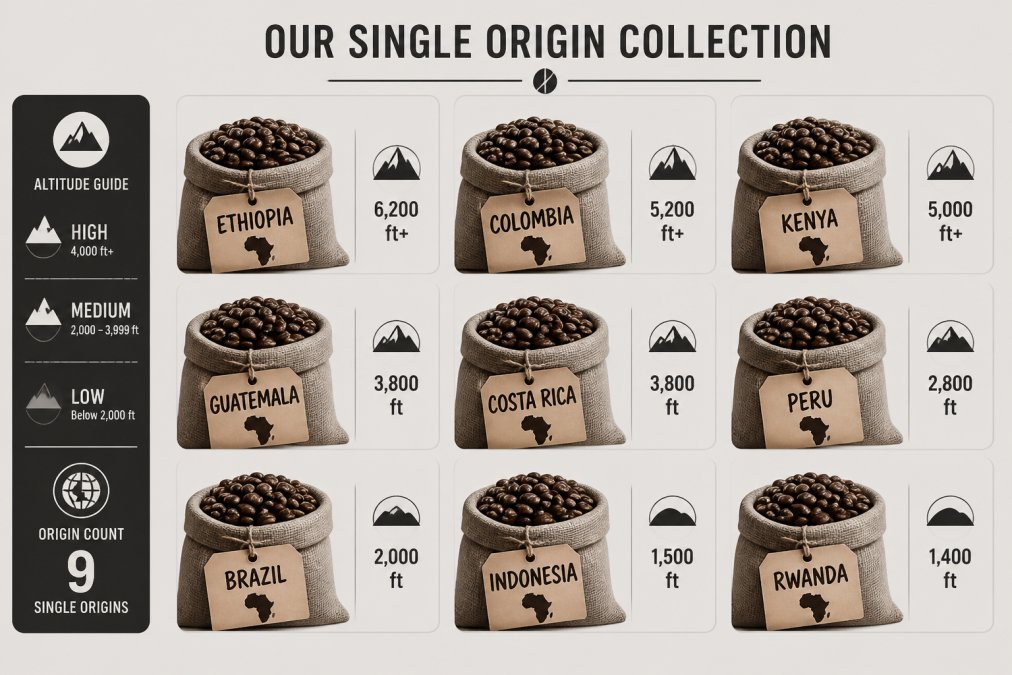
1. Brazil Santos: Smooth and Elegant
Brazil Santos delivers a smooth, balanced cup with cocoa notes from Fazenda Santa Barbara in São Paulo and Paraná, grown at 750-1050 meters on volcanic loam soil. The pulped natural processing creates lower acidity and fuller body. It works beautifully in espresso, French press, and drip coffee alike.

Price: $23.99 per bag | Roast Level: Medium | Best For: Everyday drinking, espresso, milk-based drinks
2. Colombia: Balanced Complexity
Colombia offers dried orange, berry, and chocolate notes from smallholder farmers in Medellin, Antioquia, grown at 1,300-1,500 meters. The fully washed process and solar drying preserve brightness while developing deeper chocolate notes. This single origin works well for pour-over brewing, where you can taste the full flavor spectrum.
Price: $23.99 per bag | Roast Level: Medium | Best For: Pour-over, Chemex, filter methods
3. Costa Rica: Sweet and Floral
Costa Rica showcases sweet apple, raisin, and honey notes from micro farms in Alajuela, grown at 1,300-1,445 meters on volcanic loam. The eco-pulped method and sun-drying create natural sweetness and floral undertones. It's particularly good in milk-based drinks where the sweetness shines through steamed milk.
Price: $23.99 per bag | Roast Level: Medium | Best For: Cappuccinos, lattes, milk-forward brewing
4. Ethiopia Natural: Fruity and Bright
Ethiopia Natural brings milk chocolate, fruity, and caramel notes from the Sidama zone, grown at 1,700-1,900 meters by smallholder farmers. The full natural processing creates fruit-forward character. This single origin demands a brewing method that highlights clarity, like pour-over or Aeropress.
Price: $23.99 per bag | Roast Level: Medium-Light | Best For: Pour-over, Aeropress, filter methods
5. Guatemala: Bold and Rich
Guatemala delivers dark chocolate, bright fruit, and butterscotch notes from smallholder farmers in Antigua, grown at 1,200-1,616 meters on volcanic loam. The volcanic soil creates naturally rich, full-bodied coffee with lower acidity. It's particularly good in French press, where full immersion brewing extracts the body Guatemala is known for.
Price: $23.99 per bag | Roast Level: Medium | Best For: French press, espresso, immersion brewing
6. Honduras: Spiced and Smooth
Honduras brings caramel, spice, and brown sugar notes in a medium-dark roast from 1,300-1,700 meters in Marcala. These beans come from 1,500 grower members of Cafe Organics Marcala and are fully washed and sun-dried on clay mineral soil. This single origin shines in espresso, where spice and caramel notes become more pronounced.
Price: $23.99 per bag | Roast Level: Medium-Dark | Best For: Espresso, milk-based drinks, drip coffee
7. Mexico: Balanced and Warm
Mexico offers chocolate, cinnamon, and green apple notes from coffee growers in Chiapas and Oaxaca, grown at 900-1,000 meters on clay mineral soil. The fully washed and sun-dried beans create a naturally smooth, approachable cup. The balanced profile and warm character make this single origin work well across all brewing methods.
Price: $23.99 per bag | Roast Level: Medium | Best For: All brewing methods, versatile everyday coffee
8. Nicaragua: Floral and Citrus
Nicaragua brings cocoa, floral, and citrus tones from smallholder farmers in Molino Norte, grown at 900-1,590 meters. The fully washed beans are fermented for 12-14 hours, then dried on patios and raised beds. The extended fermentation creates complexity and floral notes that pair beautifully with pour-over brewing.
Price: $23.99 per bag | Roast Level: Medium | Best For: Pour-over, filter methods, specialty brewing
9. Bali Blue: Deep and Earthy
Bali Blue delivers dark chocolate, molasses, and brown sugar notes from smallholder farmers in Kintamani, grown at 1,200-1,600 meters on volcanic loam. The wet-hulled processing method unique to Indonesia creates distinctive earthy character and heavier body. The molasses sweetness prevents it from tasting one-dimensional despite the deep roast level.
Price: $23.99 per bag | Roast Level: Medium-Dark | Best For: French press, espresso, immersion brewing
Single Origin vs. Blend Coffee: Which Should You Choose
Single origin coffee comes from one specific farm, region, or country and showcases unique terroir and processing. Flavors vary with the harvest season. Single origin coffees typically cost more because they require direct relationships with growers and careful quality control.
Blended coffee combines beans from multiple origins to create consistency and balance year-round. Blends are typically more affordable and more consistent from bag to bag.
Choose single origin coffee if you want to explore different flavor profiles, enjoy complexity and variety, or care about traceability and sustainability. Choose blended coffee if you want consistency, prefer a balanced profile without surprises, or need to stay within a tighter budget.
| Characteristic | Single Origin | Blended |
|---|---|---|
| Flavor Profile | Unique to origin, varies seasonally | Consistent year-round |
| Complexity | High, showcases terroir | Balanced, designed for harmony |
| Price Point | Higher, reflects specialty sourcing | Lower, commodity-friendly |
| Best For | Exploration, specialty brewing | Everyday consistency, milk drinks |
| Traceability | Clear, traceable to farm/region | Mixed sources, less transparent |
How to Choose Single Origin Coffee for Your Brewing Method
Different brewing methods extract flavors differently, so matching the coffee to your equipment ensures you get the best cup possible.
Pour Over and Drip Brewing
Pour-over and drip methods brew coffee by passing hot water through grounds slowly, extracting flavors gradually. This method highlights clarity and brightness, making it ideal for coffees with pronounced fruit or floral notes.
Choose medium or medium-light roasts for pour-over brewing. Ethiopia Natural, Colombia, and Nicaragua all shine because their fruit and floral notes come through clearly. Avoid heavily roasted coffees like Bali Blue; the extended extraction time can make dark roasts taste over-extracted and bitter.

French Press and Immersion Methods
French press and other immersion methods steep coffee grounds in hot water, creating fuller-bodied cups with more oils and texture. These methods work best with coffees that have body and character.
Choose full-bodied single origins with medium-dark roasts for French press. Bali Blue, Honduras, and Guatemala work beautifully because their heavier body and lower acidity shine when extracted fully. The French press doesn't filter out coffee oils, so you get the full sensory experience.
Espresso and Concentrated Brewing
Espresso forces hot water through finely ground coffee under pressure, creating a concentrated shot in seconds. This method requires coffees that can handle high extraction and still taste balanced.
Choose medium to medium-dark roasted single origins for espresso. Brazil Santos, Guatemala, Honduras, and Bali Blue all work well because their body and sweetness balance the intensity of extraction. If you enjoy milk-based espresso drinks, choose coffees with natural sweetness like Costa Rica or Honduras.
Roasted to Order: Why Freshness Matters
Coffee is freshest within two weeks of roasting. After that, the beans begin losing aroma and flavor complexity. Most coffee sold in grocery stores was roasted weeks or months ago and is already past its prime.
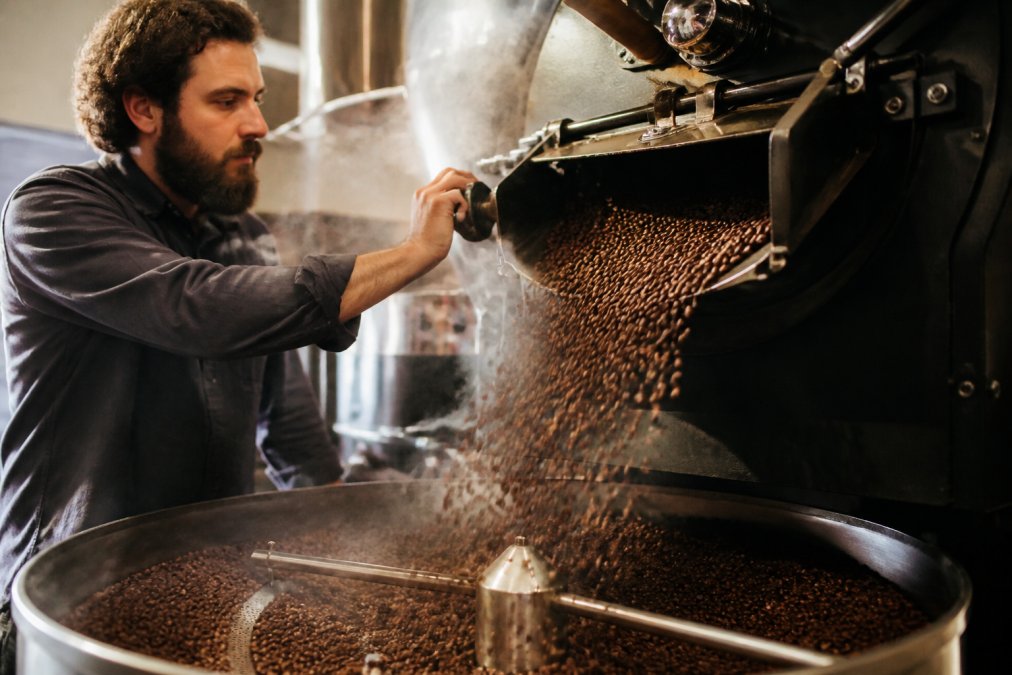
Roasted-to-order coffee changes this equation. The Holy Grounds Coffee Co roasts your beans after you order, then ships immediately. Your coffee arrives within days of roasting, at peak freshness. You taste the full complexity of the origin, the nuance of the processing method, and the skill of the roaster.
The difference between fresh-roasted coffee and stale coffee is dramatic. Fresh beans have vibrant aroma, complex flavor layers, and natural sweetness. Stale beans taste flat, bitter, and one-dimensional.
Store your roasted-to-order beans in an airtight container away from light and heat. They'll stay fresh for about three weeks. For the best experience, use them within two weeks of the roast date printed on the bag.
Whole Bean vs. Ground: Making the Right Choice
Whole beans stay fresh longer than ground coffee. Once you grind beans, you expose more surface area to air, accelerating oxidation and flavor loss. Ground coffee reaches its peak within hours of grinding; whole beans stay fresh for weeks.
If you have a grinder, always buy whole beans. Grind only what you need for each brew. If you don't have a grinder, ground coffee is your only option. The Holy Grounds Coffee Co offers both whole bean and ground options for every single origin. Specify your brewing method so we grind to the right particle size.
Ground coffee from a specialty roaster tastes significantly better than pre-ground grocery store coffee. If choosing between whole beans from a mass-market roaster and ground coffee from The Holy Grounds Coffee Co, choose our ground coffee. Freshness and quality matter more than the grind state.
| Factor | Whole Bean | Ground |
|---|---|---|
| Freshness Duration | 3-4 weeks | 24-48 hours |
| Flavor Complexity | Full, preserved | Reduced, oxidizes quickly |
| Convenience | Requires grinder | Ready to brew |
| Best For | Coffee enthusiasts, serious brewers | Convenience-focused drinkers |
| Storage | Airtight container, cool/dark | Airtight container, consume quickly |
Sustainable and Fair Trade Sourcing
The coffee industry has a troubling history of exploitation and environmental damage. Many coffee farmers earn less than it costs to grow coffee. Fair trade certification ensures farmers receive a minimum price for their beans, above commodity market rates. Organic certification means no synthetic pesticides or fertilizers, protecting soil health and farmworker safety.
Direct trade relationships go further. Instead of buying through middlemen, roasters work directly with farmers, building long-term partnerships. This transparency ensures more of the purchase price reaches the farmer.
The Holy Grounds Coffee Co prioritizes relationships with growers who practice sustainable farming and pay fair wages. Our single origin coffees come from smallholder farmers and cooperatives, many of which are certified organic or fair trade. We pay above-market prices for our beans because farmers deserve to earn a living wage.
When you buy single origin coffee from us, you're supporting farmers who care for their land and their community. That's not just good ethics; it's good coffee.
Quick Start: Begin Your Single Origin Journey
Ready to explore single origin coffee but not sure where to start?
Step 1: Start with a sample pack. The Single Origin Favorites Sample Pack ($24.99) includes six 2-ounce portions of our most popular origins. This low-risk way to explore lets you taste multiple origins without committing to full bags. Brew each sample the same way so you can taste the differences clearly.
Step 2: Note which origins you loved. As you taste each sample, write down your reactions. Which ones had flavors you enjoyed? Your notes help you identify patterns in your preferences.
Step 3: Buy a full bag of your favorite. Once you've identified an origin you love, order a full 12-ounce bag roasted to order. You'll have enough for about two weeks of daily brewing.
Step 4: Explore origins with similar profiles. If you loved the fruity brightness of Ethiopia Natural, try Colombia or Nicaragua next. If you preferred the bold richness of Bali Blue, explore Honduras or Guatemala.

Step 5: Consider a subscription. Once you've found your go-to origins, a subscription ensures fresh coffee arrives on your schedule. You can customize your subscription to include your favorite origins and adjust frequency.
Choosing to buy single origin coffee beans online is choosing quality, traceability, and exploration over convenience and commodity consistency. The Holy Grounds Coffee Co makes that choice easy with roasted-to-order freshness, direct relationships with growers, and a carefully curated collection of origins. Start with the Single Origin Favorites Sample Pack to discover which origins match your taste, then build your collection from there.
Frequently Asked Questions
What is the difference between single origin and blend coffee?
Single origin coffee comes from one specific farm, region, or country, giving it a distinct flavor profile shaped by that location's altitude, soil, and processing method. Blend coffee combines beans from multiple origins to create a more consistent, balanced taste. Single origin lets you taste the unique character of a specific place, while blends are designed for smoothness and complexity through variety.
How fresh are the single origin coffee beans when they arrive?
Your beans are roasted to order, meaning they're roasted after you place your purchase. This guarantees maximum freshness and aroma when they reach your door. Each bag includes a roast date, so you know exactly when your coffee was prepared. Most customers report peak flavor for 2-3 weeks after roasting, though the beans stay fresh for several weeks if stored in an airtight container away from heat and light.
How do I choose which single origin coffee to buy?
Start by considering your brewing method and flavor preferences. Light and medium roasts highlight origin characteristics and work well with pour-over or drip methods. Medium-dark roasts suit French press and bring out chocolate and spice notes. Check the tasting notes for each origin, if you enjoy fruity, floral, or chocolatey profiles, match those to your preference. The Single Origin Favorites Sample Pack ($24.99) is an excellent way to try six different origins before committing to full bags.
What makes roasted-to-order coffee better than pre-roasted options?
Roasted-to-order coffee is fresher because it's roasted after you order, not weeks before shipping. Freshness directly affects flavor intensity and aroma. Pre-roasted beans begin losing volatile compounds and oils the moment they cool, so older coffee tastes flat and muted. With roasted-to-order, you get the full expression of each origin's tasting notes, the brightness in Ethiopia Natural, the cocoa depth in Brazil Santos, and the floral complexity in Nicaragua.
Should I buy whole bean or ground single origin coffee?
Whole bean is recommended for single origin coffee because it preserves flavor and aroma longer. Ground coffee oxidizes quickly, losing its distinctive character within days. Since you're investing in premium, single-origin beans to taste their unique profile, grinding just before brewing ensures you experience the full flavor. If convenience matters more than maximizing taste, ground works, but whole bean is the better choice for serious coffee enthusiasts.
This article was written using GrandRanker