

Benefits of Single Origin Coffee Beans: 2026 Guide
Table of Contents
- What Single Origin Coffee Beans Actually Are
- Single Origin vs Blend Coffee: Which One Wins?
- What Is Coffee Terroir and Why It Shapes Every Cup
- The Benefits of Single Origin Coffee Beans: Flavor, Ethics, and Transparency
- Best Brewing Methods for Single Origin Coffee
- Storage, Freshness, and the Economic Case for Buying Single Origin
- Conclusion
Last Updated: August 10, 2026
What Single Origin Coffee Beans Actually Are
Single origin coffee is coffee sourced from a single, identifiable geographic location, a specific country, region, farm, or micro-lot, rather than a blend of beans from multiple sources. The origin is traceable, the harvest season is documented, and the flavor profile reflects the unique conditions of that one place.
When you drink a single origin cup, you're tasting the direct result of a specific farm's soil, altitude, rainfall patterns, and processing method. Nothing is averaged out or hidden behind a blend. At The Holy Grounds Coffee Co, we've built our sourcing model around this principle: carefully selected beans from trusted farms, roasted to order so that traceability and freshness arrive together.
The specialty coffee movement has popularized single origin beans, but confusion remains about what the term guarantees. A bag labeled "Colombia" is technically single origin, as is "Finca La Palma, Huila, Colombia, Lot 12B, Washed Process." The difference in specificity is enormous and directly affects what you can expect in the cup.
The most informative single origin coffees include the producing country and specific region, farm name or cooperative, varietal (e.g., Geisha, Bourbon, Typica), processing method (washed, natural, honey), and harvest season. When all that information is present, you're holding something genuinely traceable.
Single Origin vs Blend Coffee: Which One Wins?
Single origin vs blend coffee isn't a competition, it's a question of what you're trying to achieve in the cup.
Single origin coffee expresses the character of one place. It tends to have distinctive, sometimes complex acidity, specific floral or fruit-forward notes, and a flavor profile that shifts noticeably from harvest to harvest.
Blends are built for consistency. A skilled roaster combines beans from multiple origins to hit a target flavor profile that stays stable year-round. Espresso blends, in particular, are engineered for balance, enough body for milk drinks, and enough acidity to keep things lively.
| Single Origin | Blend | |
|---|---|---|
| Flavor profile | Distinctive, origin-specific | Balanced, consistent |
| Traceability | High, farm or region known | Lower, multiple sources |
| Harvest variability | Yes, changes seasonally | Minimised by design |
| Best for | Pour-over, filter, black coffee | Espresso, milk drinks |
| Ethical sourcing clarity | Easier to verify | Harder to trace |
| Price point | Generally higher | Often lower |
When Blends Make More Sense
Blends shine in milk-based drinks. The chocolatey finish and rounded body of a well-constructed espresso blend holds up under steamed milk in ways that a bright, citrus-forward single origin often doesn't. Blends also make sense when you want predictability, a morning cup that tastes the same every day.
When Single Origin Is the Better Choice
Single origin is the better choice when you want to taste coffee as an agricultural product rather than a manufactured one. A washed Ethiopian Yirgacheffe as a pour-over lets you pick up jasmine and bergamot notes that come directly from that region's growing conditions, an experience a blend can't replicate.
Single origin also makes more sense when ethical sourcing matters to you. The shorter, more visible supply chain makes it easier to verify that the farmer received a fair price and that sustainable practices were followed.
What Is Coffee Terroir and Why It Shapes Every Cup
Terroir is the complete set of environmental conditions that give a coffee its distinctive character: soil composition, altitude, climate, rainfall, and the microorganisms present in the processing environment.
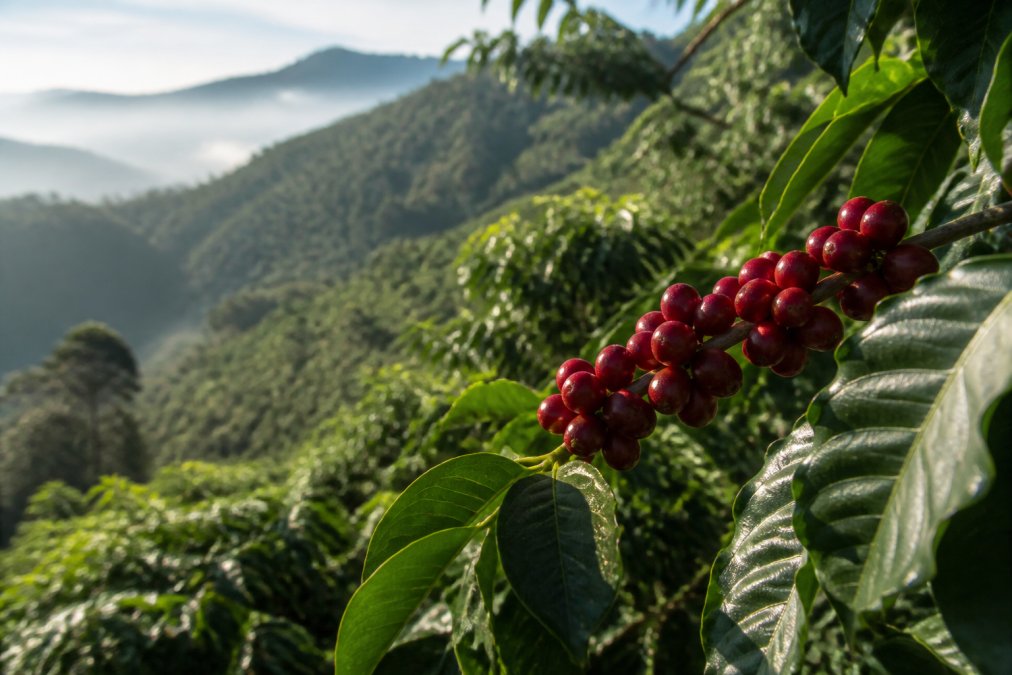
Terroir is why a natural-process Ethiopian coffee tastes nothing like a washed Colombian coffee, even if both are roasted identically. The soil, altitude, varietal, and harvest season all end up in the cup. High-altitude farms in Ethiopia's Sidama region produce beans with floral, tea-like complexity. Low-altitude farms in Brazil's Cerrado produce beans with a nutty, low-acidity profile. Same plant species. Completely different cup.
As documented in the Specialty Coffee Association's research on terroir and sensory science, terroir-driven differences are measurable through cupping protocols, not just subjective taste.
Altitude, Varietal, and Processing Method
Three variables shape terroir expression more than any others.
Altitude affects bean density and acidity. Higher-altitude farms (generally above 1,500 meters) produce denser beans with more complex acidity and brighter flavor profiles. Lower altitudes tend toward softer, less acidic beans with heavier body.
Varietal determines the genetic potential of the plant. Heirloom Ethiopian varietals produce wildly complex flavor profiles. Bourbon and Typica are prized for sweetness and balance. Geisha, originally from Ethiopia and now grown in Panama and Colombia, is famous for intense floral undertones and jasmine-like aroma.
Processing method determines how the coffee cherry is removed from the bean before drying:
- Washed process: The cherry is removed before drying, producing clean, bright, high-acidity cups that let origin character shine.
- Natural process: The whole cherry dries around the bean, producing fruit-forward cups with berry or wine-like notes.
- Honey process: A middle path where some fruit mucilage is left on the bean during drying, producing sweetness and body without the full intensity of a natural.
Understanding these three variables makes you a much better buyer and brewer.
The Benefits of Single Origin Coffee Beans: Flavor, Ethics, and Transparency
The benefits of single origin coffee fall into three categories: sensory experience, ethical sourcing, and supply chain transparency.
On the flavor side, single origin coffee gives you a direct sensory connection to a specific place. Notes of citrus in a Kenyan AA, floral undertones in an Ethiopian natural, or a chocolatey finish in a Guatemalan Antigua are the natural result of terroir, varietal, and processing method working together.
Traceability and Ethical Sourcing
Traceability is where single origin coffee has a structural advantage over blends. Because the supply chain involves fewer actors, it's possible to verify that a specific farm or cooperative received a fair price and used sustainable farming practices.
According to the USDA's Agricultural Marketing Service resources on coffee supply chains, supply chain transparency is increasingly central to how specialty coffee importers and roasters communicate value to consumers.
Direct trade, where a roaster buys directly from a farm, bypassing commodity brokers, takes traceability further. It allows roasters to negotiate prices above commodity market rates, fund farm improvements, and build multi-year relationships with producers. Many specialty roasters publish their direct trade prices publicly.
Coffee cooperatives play an important role too. In regions where individual farms are small, cooperatives allow farmers to pool harvests, share processing infrastructure, and negotiate collectively with exporters. Cooperatives are often the mechanism through which fair trade and direct trade premiums reach individual growers.
Environmental Impact and Sustainable Farming
Sustainable farming practices in specialty coffee tend to be more common at the single origin level, partly because the economics support them. When a farm's identity is attached to the cup, there's a reputational incentive to farm well.
Shade-grown coffee, where coffee plants grow under a canopy of native trees, preserves biodiversity, reduces the need for chemical inputs, and produces better-tasting beans by slowing cherry development. Water use is also a real environmental variable. The washed process is water-intensive, while natural and honey process coffees use significantly less water.
Best Brewing Methods for Single Origin Coffee
The best brewing method for single origin coffee depends on what you want to highlight: clarity and acidity, or body and sweetness.
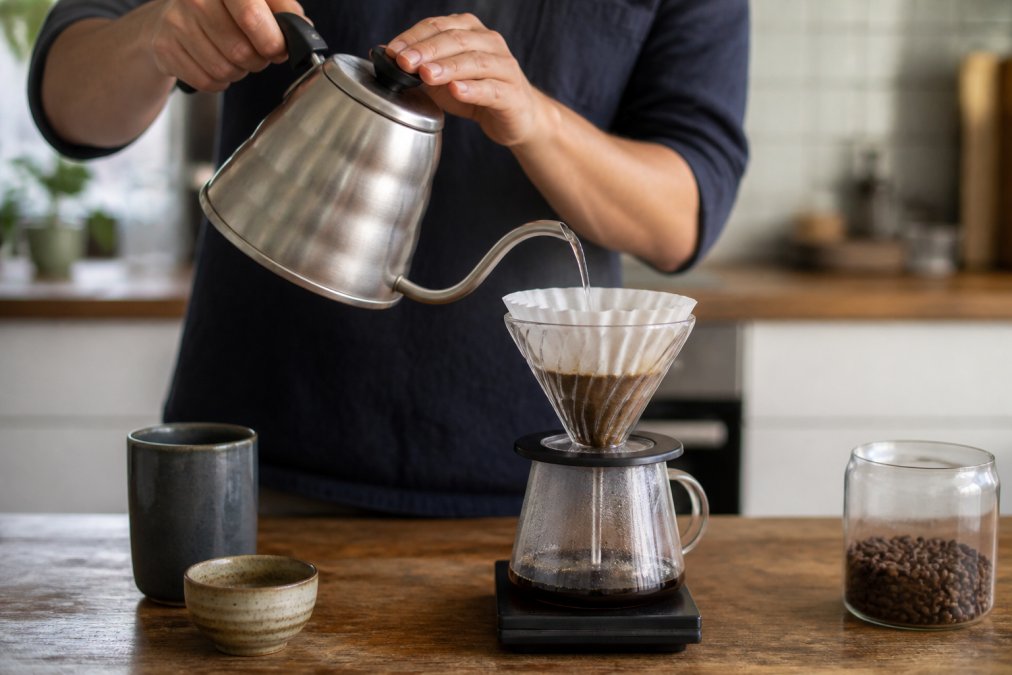
Pour-over methods, like the V60 or Chemex, produce clean, transparent cups that let origin character come through clearly. French press and full-immersion methods produce heavier body and more texture. Cold brew rewards low-acidity, chocolatey single origins like Central American and Brazilian beans, because the long steep time amplifies sweetness and body while softening acidity.
According to the National Coffee Association's brewing guides, water temperature and grind consistency are the two variables that most affect extraction quality.
Matching Brew Style to Roast Level and Origin
Roast level and origin interact in ways that affect how you buy and brew.
| Origin | Processing | Roast Level | Best Brew Method |
|---|---|---|---|
| Ethiopian (Yirgacheffe) | Washed | Light | Pour-over, V60 |
| Colombian (Huila) | Washed | Medium | Pour-over, drip |
| Brazilian (Cerrado) | Natural | Medium-dark | French press, cold brew |
| Guatemalan (Antigua) | Washed | Medium | Espresso, Aeropress |
| Kenyan (AA) | Washed | Light-medium | Pour-over, Chemex |
| Indonesian (Sumatra) | Wet-hulled | Dark | French press, Moka pot |
Light roasts preserve origin character. The floral, fruit-forward, high-acidity notes that make a Yirgacheffe interesting are largely roasted out by the time you reach a dark roast. If you're buying a single origin for its cupping notes, buy it light or medium and brew it in a way that emphasizes clarity.
Storage, Freshness, and the Economic Case for Buying Single Origin
Freshness is where the economics of single origin coffee get interesting. Most grocery store coffee was roasted weeks or months before you buy it. The CO₂ that escapes from freshly roasted beans, a process called degassing, is essentially flavor potential leaving the bag. By the time a bag has been sitting on a shelf for six weeks, a significant portion of the volatile aromatic compounds that make single origin coffee worth buying have already dissipated.
Buying roasted-to-order from a specialty roaster changes that equation. When beans are roasted specifically for your order and shipped within days, you're receiving coffee at peak flavor potential. The sensory experience of a freshly roasted single origin is genuinely different from the same coffee that's been sitting in a distribution warehouse.
For storage at home, the practical rules are simple: store in an airtight container away from light, heat, and moisture; don't refrigerate whole beans; buy in quantities you'll use within two to three weeks of the roast date; and freeze only if storing longer than a month, in sealed, portioned bags.
The roast-to-order model that The Holy Grounds Coffee Co uses addresses the freshness problem at the source. Rather than roasting in bulk and warehousing inventory, each batch is roasted when the order is placed, then shipped directly to your door. A common mistake is buying single origin beans in large quantities to save money, then spending the next two months working through a bag that peaked in week one. Smaller, more frequent orders from a roaster who dates their bags will serve you better.
Getting the most out of single origin coffee comes down to three things: knowing your origin, matching your brew method, and starting with fresh beans. The flavor complexity that makes specialty coffee worth exploring only shows up when the supply chain is short and the roast is recent. The Holy Grounds Coffee Co sources carefully from trusted farms worldwide, roasts to order for maximum freshness, and delivers directly to your door with a simple ordering process built for people who take their daily cup seriously. Find Your Perfect Roast and taste the difference that traceability and freshness actually make.
Frequently Asked Questions
What exactly defines a single origin coffee bean?
A single origin coffee bean comes from one specific place: a single country, region, farm, or even a micro-lot within a farm. That geographic specificity means every variable, altitude, soil, varietal, harvest season, and processing method, reflects one location rather than a blend of many. The result is a cup with a traceable, distinct flavor profile that changes with each harvest, rather than a consistent house taste engineered to stay the same year-round.
Are single origin coffees always better quality than blends?
Not automatically. Single origin coffee excels at showcasing terroir: complex acidity, floral undertones, or a chocolatey finish tied to a specific farm. Blends are engineered for consistency and balance, which makes them excellent for espresso. Quality depends on sourcing and roasting care, not origin type alone. A poorly sourced single origin will underperform a well-crafted blend. The advantage of single origin is transparency, you know exactly where the bean quality comes from.
How does terroir affect the flavor profile of single origin coffee?
Terroir covers everything the plant experiences before harvest: soil mineral content, altitude, rainfall, temperature swings, and shade cover. High-altitude farms in Ethiopia or Colombia produce beans with bright, complex acidity and floral notes because cooler temperatures slow cherry development. Lower-altitude farms in Brazil tend toward heavier body and a nutty or chocolatey finish. Processing method, washed, natural, or honey process, then amplifies or softens those base characteristics, making terroir the foundation of every cupping note.
What are the environmental benefits of sourcing single origin coffee?
Single origin sourcing, especially through direct trade or cooperative relationships, supports smaller supply chains with fewer intermediaries. That structure makes it easier to verify sustainable farming practices, fair wages, and land stewardship at the farm level. Many single origin producers in the coffee belt maintain shade-grown canopies that preserve biodiversity and reduce erosion. Shorter, more transparent supply chains also make it practical to audit environmental impact in ways that large commodity blends rarely allow.
How should you brew single origin coffee to highlight its unique notes?
Pour-over methods, V60, Chemex, or Kalita Wave, are the most reliable for showcasing single origin coffee because they preserve brightness and acidity without adding pressure-driven bitterness. Use water between 195°F and 205°F and a medium-fine grind. Light roasts from washed-process origins respond well to longer bloom times. Natural process beans with heavy fruit notes can handle a slightly coarser grind. Avoid dark roasting single origin beans: it overwrites the terroir characteristics you paid for.
Is single origin coffee worth the higher price compared to grocery store options?
The price difference reflects traceability, bean quality, and roasting care rather than marketing. Specialty coffee graded 80+ on the SCA scale, common for single origin micro-lots, requires more selective harvesting and stricter processing standards than commodity-grade beans. Roasted-to-order single origin coffee also arrives at peak freshness, meaning you use less per brew to hit the same flavor intensity. Over a month, the per-cup cost gap between specialty and grocery store coffee is smaller than the sticker price suggests.
This article was written using GrandRanker